


Research
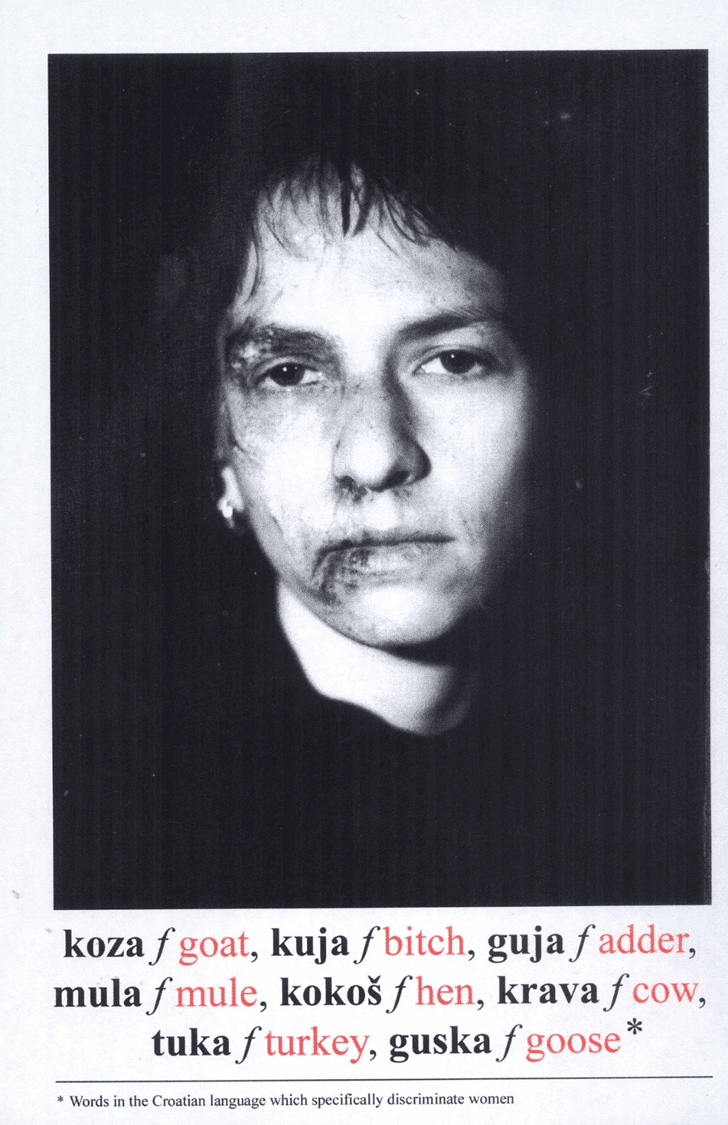
Od 1997. vrlo aktivno provodimo različita istraživanja na temu nasilja nad ženama te pri tome surađujemo s relevantnim institucijama, domaćim i međunarodnim nevladinim organizacijama te kompetentnim stručnjakinjama.
Stop nasilju protiv žena (1997.-2000.)
Prvo istraživanje pod nazivom “Stop nasilju nad ženama” provele smo od 1997.g. do 2000.g. Istraživanje je uključivalo prikupljanje i objavljivanje podataka o nasilju nad ženama, pravnu analizu te prijedloge pravnih promjena. Voditeljica istraživanje su bile Silva Mežnarić i Suzana Kovačević.
Istraživanje o rasprostranjenosti nasilja protiv žena (2003.)
U suradnji s Državnim zavodom za zaštitu obitelji, materinstva i mladeži, 2003. godine provele smo prvo kvantitativno istraživanje o nasilju nad ženama u obitelji na području RH u sklopu projekta “Društveni troškovi obiteljskog nasilja nad ženama.” Istraživanje je provedeno metodom ankete s 1000 žena s područje cijele RH te je do danas jedino istraživanje takve vrste u Hrvatskoj.
Istraživanje o ekonomskom nasilju (2009.)
U suradnji s Ministarstvom obitelji, branitelja i međugeneracijske solidarnosti, u 2009. godini provele smo istraživanje pod nazivom “Ekonomsko nasilje nad ženama: Manifestacije, posljedice i putovi oporavka” u sklopu projekta “Ekonomski aspekti nasilja nad ženama i njihovom djecom: žene i zapošljavanje – utjecaj nasilja na djecu.” Općeniti cilj ovog istraživanja bio je utvrditi probleme u ostvarivanju ekonomske i financijske samostalnosti žena koje su preživjele nasilje. Rezultati istraživanja ukazuju na izrazit značaj koji posao kao i nezavisne financije imaju za žene koje su preživjele nasilje.
Istraživanje o implementaciji zakona i protokola koji štite žene od nasilja u obitelji (2010.)
U suradnji s Pravobraniteljicom za ravnopravnost spolova Gordanom Lukač Koritnik u 2010. godini provele smo istraživanje pod nazivom “Iskustva žena žrtava obiteljskog nasilja s radom državnih tijela.” U sklopu projekta intervjuirano je 333 žena koje su preživjele nasilje u obitelji te je istraživanje ukazalo na postojanje ozbiljnih propusta i zamjerki u radu državnih institucija, kao i potrebu za unaprjeđenjem rada.
Izvještaj o zapošljavanju žena koje su preživjele nasilje (2011.)
U sklopu projekta “Podrška socijalnom uključivanju i integraciji na tržište rada žena koje su preživjele nasilje u obitelji i ostale oblike rodno temeljenog nasilja”, a koji je provedenom u sklopu IV komponente IPA programa, u suradnji s Centrom za žene žrtve rata, provele smo analizu i istraživanje te objavile rezultate u izvještaju pod nazivom “Mogućnosti zapošljavanja za žene koje su preživjele nasilje.” U sklopu istraživanja, napravljena je stručna pravna analiza ukupno 17 zakona te 8 domaćih i međunarodnih konvencija, politika i strategija. Također je napravljeno terensko istraživanje te fokus grupe sa ženama koje su preživjele nasilje. Cilj ovog istraživanja bio je istražiti koje su mogućnosti zapošljavanja žena koje su preživjele nasilje u obitelji. Rezultati su pokazali da se žene susreću s izrazito teškim problemima i pri zapošljavanju i pri zadržavanju zaposlenja te da se posebne mjere poticanja zapošljavanja žena žrtava nasilja gotovo uopće ne koriste. To je dovelo do svojevrsne evaluacije prakse od strane HZZ-a te su već u 2012. godini zamijećeni pomaci u zapošljavanju žena žrtva nasilja, barem što se tiče korisnica AŽKZ.
Izvještaj o implementaciji hrvatskog zakonodavstva vezanog uz partnersko nasilje (2012.)
U 2010. godini započele smo, kao partnerska organizacija, projekt s američkom nevladinom organizacijom Advocates for human rights (AHR) i bugarskom nevladinom organizacijom Bulgarian gender research foundation (BGRF). Projekt pod nazivom Monitoring provedbe zakona o zaštiti od nasilja u obitelji, istraživačkog karaktera, imao je za cilj putem metode strukturiranog intervjua, uvida u dokumentaciju istražiti kako se u Hrvatskoj provodi implementacija svih relevantnih zakona koji štite žrtve nasilja od ponovljenog nasilja te imaju kazniti počinitelja nasilja. Istraživanje je obuhvatilo sve veće gradove u Hrvatskoj, a trajalo je od 07. 02. – 18. 02. 2011. godine. Tijekom izvještaja je provedeno 67 intervjua sa predstavnicima/cama institucija i nevladinih organizacija. Rezultat je izvještaj o provedbi zakonodavstva po različitim sektorima: policija, državno odvjetništvo, sudstvo (prekršajno, kazneno, obiteljsko), zdravstvo, CZSS te nevladine organizacije. Izvještaj sadrži i 100 preporuka za poboljšanje zakonodavstva i prakse u borbi protiv nasilja nad ženama u obitelji te komentar Zakona o zaštiti od nasilja u obitelji s predloženim izmjenama.
Istraživanje o utjecaju pandemije na rodno uvjetovano nasilje (2020.)
Istraživanje o utjecaju pandemije na partnersko nasilje nad ženama provela je psihologinja AŽKZ-a, prof. Anita Lauri-Korajlija, te se radi o prvom istraživanju u Hrvatskoj koje daje detaljniji uvid u to što se događalo iza zatvorenih vrata. U svom izlaganju, prof. Anita Lauri-Korajlija je istaknula da, iako je istraživanje rađeno na malom uzorku (152 žene), rezultati pokazuju da je za trećinu žena u vrijeme pandemije nasilje bilo učestalije i intenzivnije nego inače, a pojavili su se i novi, vrlo specifični oblici nasilja. Zbog pandemije fizičko nasilje pojavilo se i u vezama u kojima ga do tada nije bilo (postojali su drugi oblici nasilja, ali ne i fizičko). Odvjetnica AŽKZ, Sanja Bezbradica Jelavić, u svom izlaganju se osvrnula na pravne aspekte zaštite žena od partnerskog nasilja za vrijeme pandemije COVID-19 iznijevši brojne primjere iz prakse, a koji ukazuju na potrebu sustavne i kontinuirane edukacije svih dionika/ica koji sudjeluju u radu sa žrtvama obiteljskog nasilja, a na što kontinuirano ukazuje i Pravobraniteljica za ravnopravnost spolova, posebice u svojim godišnjim izvješćima o radu podnesenim Hrvatskom saboru.
Prezentaciju je aktivno pratila i savjetnica Pravobraniteljice za ravnopravnost spolova, Martina Krnić, koja se uključila u raspravu istaknuvši kako usporedba statističkih podataka MUP-a iz prvih 6 mjeseci 2019. godine i prvih 6 mjeseci 2020. godine ukazuje na porast kaznenih djela nasilja u obitelji za preko 40%.
Istraživanje o upotrebi europskog naloga za zaštitu (2021.)
Održan je webinar o upotrebi europskog naloga za zaštitu za pravne stručnjake i stručnjakinje. Webinar je održan u sklopu EU projekta “Promicanje prava na zaštitu žena od nasilja primjenom Direktive 2011/99/EU o europskom nalogu za zaštitu“ – ARTEMIS“ u kojem AŽKZ sudjeluje kao partnerska organizacija.
Svrha projekta je jačanje kapaciteta nevladinih organizacija u Italiji, Češkoj, Cipru, Grčkoj i Hrvatskoj za primjenu ovog europskog pravnog mehanizma.
Vanjska suradnica AŽKZ-a Valentina Andrašek te odvjetnica AŽKZ-a Sanja Bezbradica Jelavić, predstavile su rezultate istraživanja koje je AŽKZ provela i dale prikaz Direktive 2011/99/EU o europskom nalogu za zaštitu. Radi se o važnom mehanizmu kojim omogućuje priznavanje zaštitnih mjera za žrtve nasilja među državama članicama EU-a.
Tijekom webinara prezentirana je primjena ove direktive u Hrvatskoj i unutar Europske unije te načini kako zatražiti europski nalog za zaštitu, a također je analizirana primjena zaštitnih mjera u Hrvatskoj. U sklopu istraživanja također su analizirani primjeri dobre prakse vezano uz primjenu ovog europskog pravnog mehanizma u pojedinim zemljama članicama EU-a, o čemu smo informirale sudionice/ke webinara.
Contact